


The future of personal AI operating systems is an assistant that sits under every app and does tasks for you, with your permission. Apple, Google, Microsoft, Amazon and OpenAI are all building toward that layer right now, but none has finished it.
We researched what each company has actually shipped or announced, using their own release notes and help pages. Then we compared how each one handles memory, actions and privacy. Our predictions come at the end, and they are clearly marked as our view.
What We Mean by a Personal AI Operating System
A personal AI operating system is a layer on top of the system you already use. So your phone or PC keeps its own OS underneath. In our working definition, the layer has four parts.
- Context. It can read your mail, messages, files and screen when you allow it, and it remembers what matters.
- Actions. It can open apps and finish multi-step jobs for you.
- Placement. It runs partly on your device and partly in a cloud the vendor controls.
- Permission. It asks before it spends money or sends messages for you.
So a chatbot in a browser tab does not count, because it cannot act inside your other apps. If that line feels blurry, our explainer on AI agents vs AI chatbots covers the difference in detail.
Apple Is Rebuilding Siri Around Personal Context
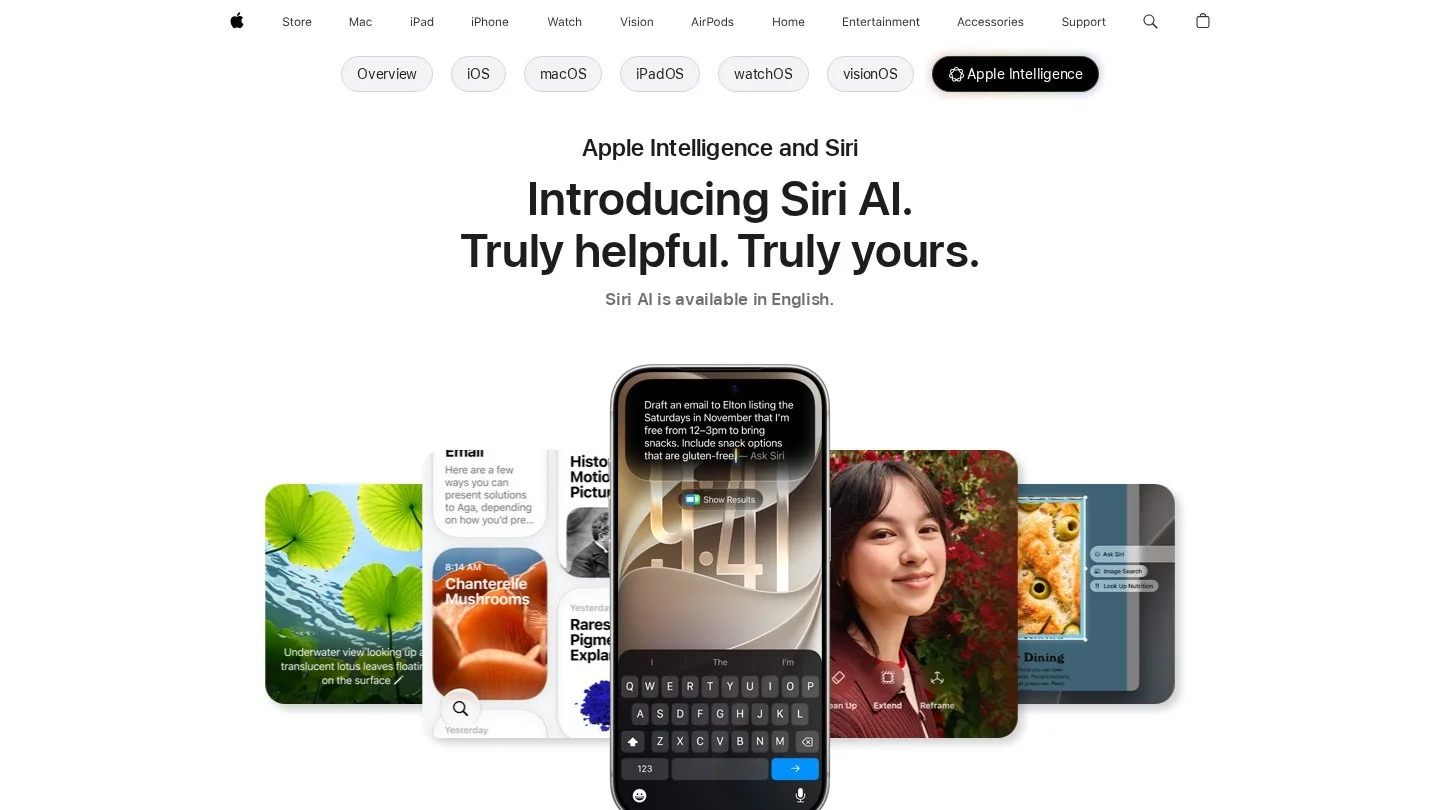
At WWDC on June 8, 2026, Apple announced Siri AI, which it called an entirely new version of Siri. It can search across your messages, emails and photos for personal context. It can also take actions across apps through what Apple calls systemwide app actions.
Siri AI also gets its own app, where you can return to past chats. Apple says that history syncs privately across devices through iCloud. Meanwhile, some features, such as image generation, carry daily limits because they rely on large server models.
The rollout is slow and careful. Apple said Siri AI would arrive as a beta later this year for devices set to English. However, it will not reach iPhone and iPad in the EU at first. It also will not be offered in China while Apple works through local rules.
Gemini Models Now Sit Behind Apple’s Own Branding
In January 2026, Apple and Google issued a joint statement about Apple’s future models. The next Apple Foundation Models will be based on Google’s Gemini models and cloud technology. However, the two firms also said Apple Intelligence will keep running on Apple devices and on Apple’s Private Cloud Compute.
That deal tells us something about the future. Even the richest phone maker chose to partner on the model and keep control of the privacy layer. In our view, more companies will split the work the same way.
Google Turns Android Into a Task Layer
Google is moving on two fronts at once. First, on May 12, 2026, it announced Gemini Intelligence for Android at The Android Show I/O Edition. The feature set lets Gemini act for you inside third-party apps.
Google’s examples were everyday chores. For instance, Gemini can book a fitness class or find a course syllabus in Gmail. It can also place a grocery order using a list in a notes app. Then there is autofill, which completes long forms with details from your connected apps.
The first devices are the Samsung Galaxy S26 series and the Pixel 10 lineup, with rollout later in 2026. After that, Google plans to bring it to Wear OS watches and Android Auto. Android-powered glasses and laptops are also on the list.
Gemini Spark Keeps Working After You Close the Laptop
Second, Google unveiled Gemini Spark at Google I/O on May 19, 2026. Spark runs in Google’s cloud, so tasks keep going while your phone is locked. It works across Gmail, Calendar, Docs, Sheets and Slides.
Google also plans MCP connections to more than 30 outside partners, including Canva and Instacart. Still, at launch Spark will not buy anything on its own. Instead, it asks you to approve each purchase, and Google planned it first as a US beta for Google AI Ultra subscribers.
Microsoft Gives Each Agent Its Own Windows Account
Microsoft’s approach is the most technical, and in our view the most careful. Windows now has a setting called Experimental agentic features, and it is off by default. Only an administrator can turn it on.
Once it is on, Windows creates a separate account for each agent, so the agent’s actions never look like yours. The agent works in an agent workspace, which is a separate Windows session in the background. Meanwhile, you keep using the PC as normal.
File access is also gated. An agent can ask for folders such as Documents or Downloads. Then you choose Allow Always, Ask every time or Never allow. The default is to ask. Copilot Actions, a Copilot Labs feature for Windows Insiders, is the first agent to use this setup.
Microsoft is also blunt about the risk. It warns about cross-prompt injection, where hidden text in a document or web page overrides the agent’s instructions. Microsoft says that could lead to data theft or malware installs.
Recall Shows How Fast Trust Can Break
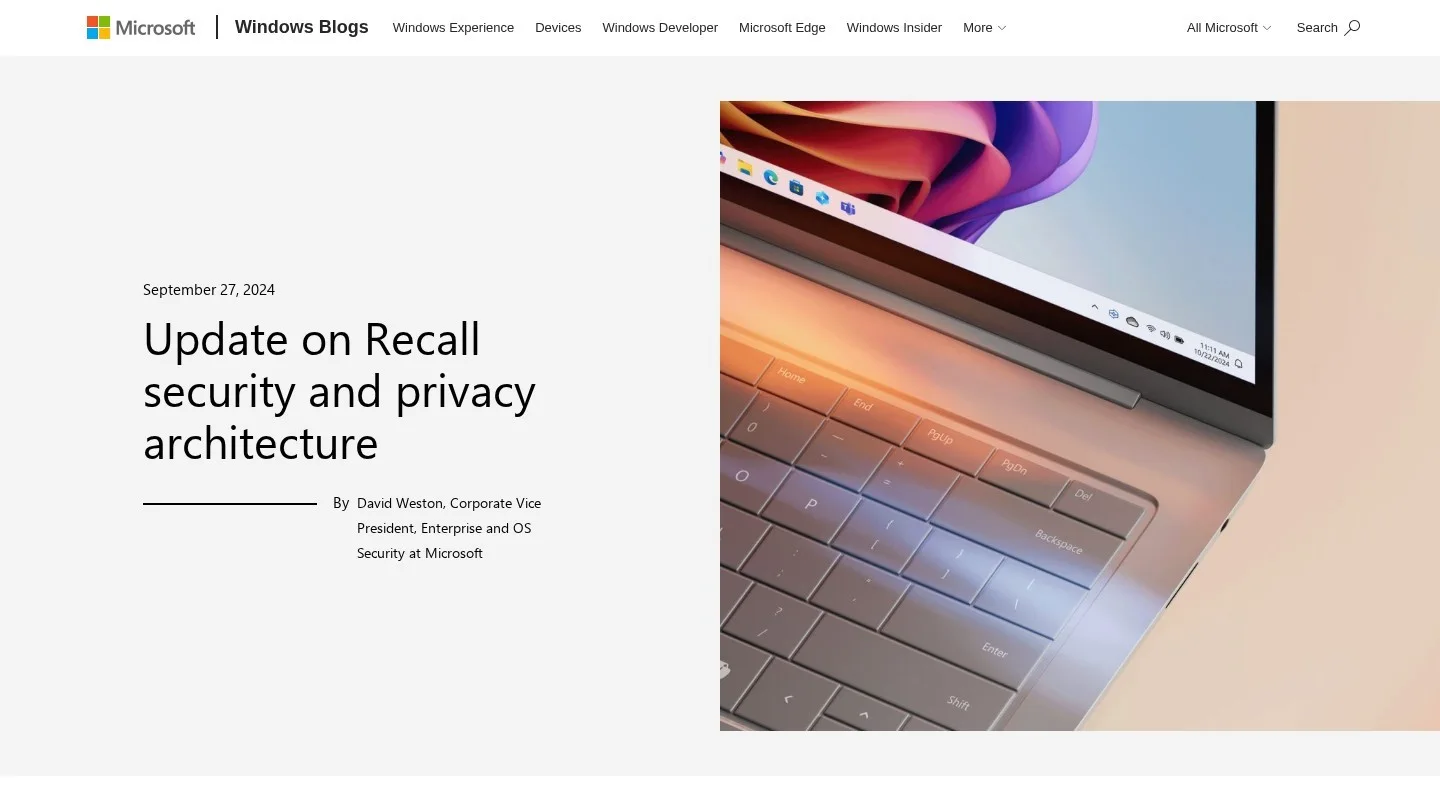
Recall, however, is the clearest lesson in this space. It is the Copilot+ PC feature that saves snapshots of your screen. In September 2024, Microsoft published an updated security design for it. Under that design, Recall is opt-in, and snapshots stay on the device in encrypted form.
You also need Windows Hello to view or search them. Also, a filter tries to keep passwords and card numbers out by default. So any personal AI that watches your screen will face the same questions, and in our view Recall’s answers are now the bar.
Read also: Are AI Agents the Future of IT Jobs?
OpenAI Folded Its Atlas Browser Back Into ChatGPT
OpenAI tried a different route first. In October of last year, it launched ChatGPT Atlas, a web browser with ChatGPT built in, on macOS. Atlas had optional browser memories and an agent mode in preview for paid users.
The agent had firm limits, too. It could not run code in the browser or download files. It also could not reach other apps on your computer. On sensitive sites, such as banks, it paused so you could watch.
Then OpenAI changed course. It set August 9, 2026 as the date Atlas would stop working, and it moved the agent tools into ChatGPT and Codex. For deeper browser work, OpenAI now points users to the ChatGPT desktop app or its Chrome extension.
We think this is one of the most telling events of the year. A separate AI browser asked people to switch apps, and few habits are harder to change. So OpenAI moved the agent to where people already were.
Amazon Rebuilt Alexa as a Household Agent

Amazon took the home route. On February 4, 2026, it made Alexa+ available to all US customers after an early access period with tens of millions of people. Prime members get it at no extra cost, and others can pay $19.99 a month.
Alexa+ remembers context across conversations, and it does real errands. For example, it can order takeout and book a restaurant table. It can also schedule home repairs or turn a school schedule from an email into calendar entries.
Amazon says Alexa+ runs on models from Amazon Nova and Anthropic. It also says customers talk to Alexa+ more than twice as much as they did with the old Alexa. On the shopping side, our review of Alexa for Shopping covers the agent that tracks prices and buys at a target.
| Company | Product | Where it works | Status we found |
|---|---|---|---|
| Apple | Siri AI with Apple Intelligence | iPhone, iPad, Mac, Watch, Vision Pro | Beta, English first |
| Gemini Intelligence | Android phones, later watches, cars, laptops | Galaxy S26 and Pixel 10 first | |
| Gemini Spark | Google cloud, web, Android, iOS | US beta for AI Ultra | |
| Microsoft | Agent workspace and Copilot Actions | Windows 11 | Preview for Windows Insiders |
| OpenAI | ChatGPT desktop app and Chrome extension | Desktop and Chrome | Atlas retired August 9, 2026 |
| Amazon | Alexa+ | Echo devices, Alexa app, Alexa.com | All US customers |
Smaller Teams Building the Layer From the Desktop Up
The big platforms own the phones and PCs, but smaller products are testing the same ideas faster. For example, Claude Cowork works through folders and connectors you choose to finish documents and spreadsheets. Similarly, Littlebird builds a private memory from your screen and meetings, then answers questions about your work.
Browsers are another entry point. Comet from Perplexity and Opera Neon build the agent into the browser itself. On the other hand, Claude in Chrome adds an agent to the browser you already use. That matches the lesson OpenAI learned with Atlas.
Meanwhile, inside companies, Microsoft Copilot Cowork runs long tasks across Microsoft 365 files and mail. You can browse more of these on our productivity AI agents page, and the browser automation agents page lists tools that act on websites.
On-Device Processing Versus Private Cloud

Every vendor has to decide where your data gets processed. Apple’s answer is a split. Many requests run fully on the device, while harder ones go to Private Cloud Compute on Apple silicon servers.
Apple says data sent there is not stored or made accessible to Apple. It also says independent security researchers can inspect the code on those servers. On a Mac, you can even see a report of requests sent there in the last 15 minutes or seven days.
Google’s Spark goes the other way and lives in the cloud by design. As a result, it can keep working while your devices sleep, but your tasks run on Google’s servers. Meanwhile, Microsoft keeps Recall snapshots on the PC and walls off agents with separate accounts.
Still, none of these setups is free of trade-offs. Local processing keeps data close, but Apple itself sends harder requests to server models. Cloud processing handles bigger jobs, yet it asks you to trust the vendor’s promises.
Prompt Injection Is the Risk That Grows With Access
Because an assistant can act, a single trick can do real damage. Microsoft names cross-prompt injection as a risk for Windows agents. Likewise, OpenAI kept Atlas’s agent away from your files and paused it on banking sites.
In fact, the same weakness shows up in our guide to negotiation AI agents, where test agents were talked into bad deals. So the safest personal AI will be the one with the tightest permissions, at least for now.
Five Predictions From Our Research
These are our own forecasts, so treat them as our view. We based them on the moves we compiled.
The Assistant Will Live in the OS and the Apps You Already Use
Atlas lasted less than a year as a separate browser. Meanwhile, Apple and Google are wiring agents into phones, and Microsoft is doing the same in Windows. We expect most personal AI to arrive as an update, with no new app to learn.
Agent Permissions Will Look Like App Permissions
Windows already asks whether an agent may open your Documents folder. Next, we expect phones to show similar prompts for mail and payments. Also, we expect people to review agent access the way they now review camera and location access.
Spending Limits Will Come Before Full Autonomy
Spark asks for approval on every purchase at launch. Google has described future purchases that run on their own within spending and product limits you set. So the first autonomous buying will likely be small and capped.
Model Partnerships Will Matter More Than Model Ownership
Apple chose Gemini models, and Amazon runs Alexa+ on Nova and Anthropic models. In our view, the winner of the personal AI race may not own the best model. Instead, it will own the device and the user’s trust.
Agents Will Talk to Other Agents Through Shared Protocols
Windows agent connectors are MCP servers, and Spark is getting MCP links to partners. As a result, your personal assistant will likely call a restaurant’s or airline’s agent directly. Our explainer on agent-to-agent communication covers how those handoffs work.
Signals We Are Tracking Over the Next Twelve Months
- Siri AI languages. Apple promised to add more languages quickly after the English beta.
- Gemini Intelligence beyond phones. Watch for the first Wear OS and Android Auto releases.
- Windows agents leaving preview. Copilot Actions and the agent workspace are still Insider features.
- Alexa+ in more countries. Amazon’s launch post covered US customers.
- Real prompt injection incidents. One public case with money lost would change how much access people grant.
- Spark buying on its own. The first purchases inside user-set limits will show whether people trust agents with money.
Also, if you build products, our guide to AI agent frameworks covers the tools developers use to plug into these systems.
Things People Ask Before Trusting a Device-Wide Assistant
Is a Personal AI Operating System a Real Product Today?
Not as one finished product. However, pieces of it already ship, such as Alexa+ in US homes and agent features in Windows previews. Siri AI and Gemini Intelligence are rolling out in stages.
Will It Replace iOS, Android or Windows?
No. Every product we found runs as a layer on top of an existing system. So your phone or PC keeps its current OS, and the assistant works across its apps.
Is On-Device AI More Private Than Cloud AI?
Usually, because the data never leaves your hardware. Still, Apple’s Private Cloud Compute shows that a cloud can be designed to keep no data, with outside researchers able to check the code.
Can a Personal AI Spend My Money Without Asking?
Not in the products we studied. For example, Gemini Spark asks you to approve each purchase at launch. Even so, check each assistant’s settings before you link a card.
Related AI Agents


Read also: 20 Real-World AI Agent Examples and What Each One Teaches
Explore Agent Categories
Related Articles
 GuidesAre AI Agents the Future of IT Jobs?
 GuidesHierarchical Multi-Agent Systems Explained
 GuidesSynthesia AI Video Usage Among Corporate Training Teams
 GuidesBest CAMEL AI Alternatives and What They Cost
 Guides100 AI Agent Statistics for Retail Companies
 GuidesLLM or AI Agent? AI Search Engines and What They Actually Are
